
We Champion
Conservation
Protecting & Preserving Nature

Preserving What We Love About the Hill Country
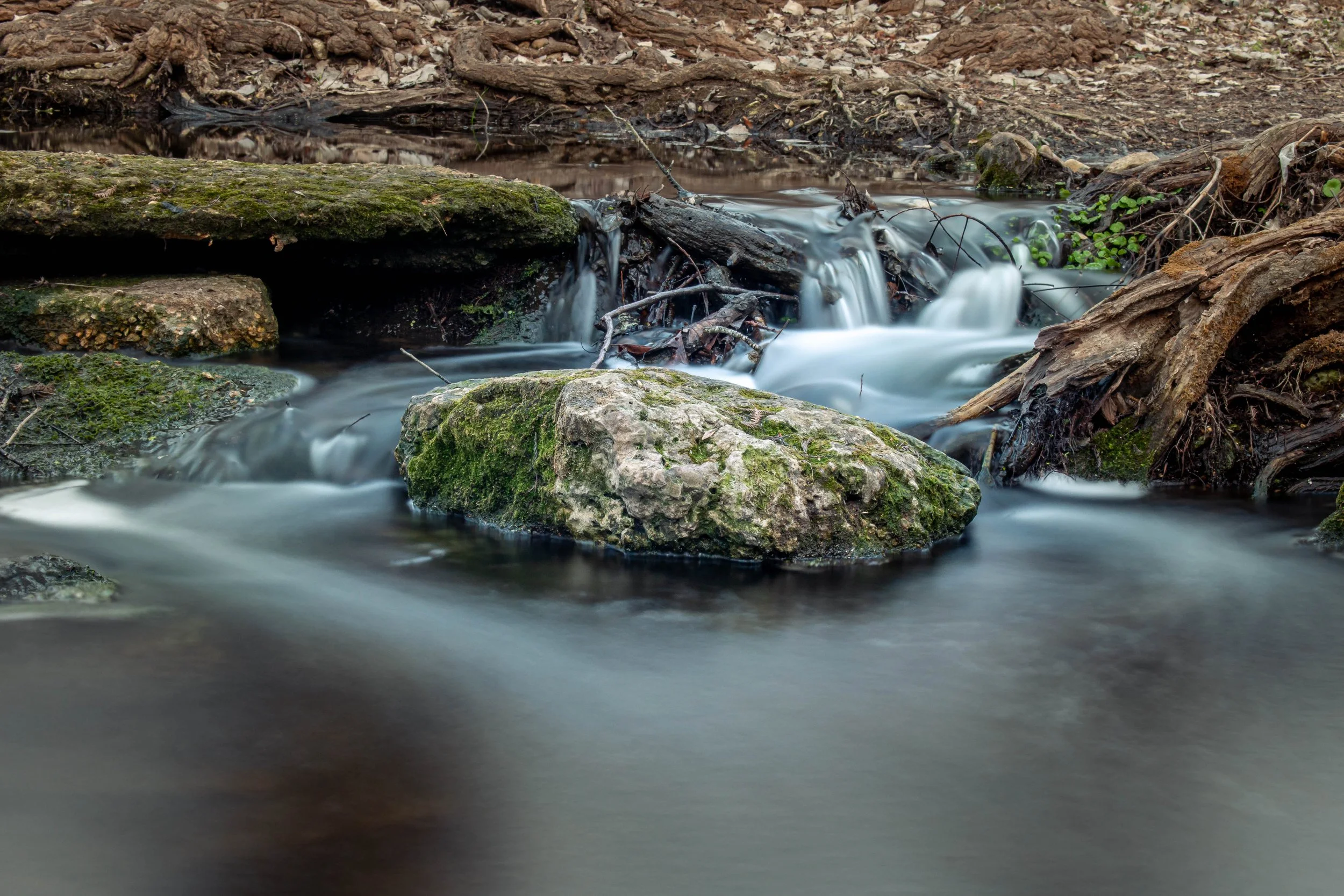
The Conservation Department at The Cibolo Center for Conservation stewards a diverse portfolio of lands across Kendall County, spanning the Cibolo Nature Center and Herff Farm in the heart of Boerne to Sisterdale Sanctuary and Malakopf Preserve. Our work is grounded in daily care of the land through restoration, erosion control, habitat improvement, and the maintenance of trails, crossings, and other features that support public access while protecting sensitive areas. Each property reflects a commitment to sustaining healthy ecosystems that can be experienced, studied, and cared for over time.
We pair this hands-on stewardship with applied research and long-term monitoring. Our team collects and manages field data across habitats, tracks ecological change, and builds place-based knowledge that informs how we manage the land. This work strengthens decision-making on site while contributing to a clearer understanding of Hill Country systems and how they respond to use, stress, and restoration.
Conservation also supports the broader work of The Cibolo by providing land management expertise and project implementation across departments. We work closely with Farm and Nature Education to align programming with the land, and partner with regional organizations, agencies, and researchers to advance shared conservation goals. Through this work, we help durably connect people, practice, and place.
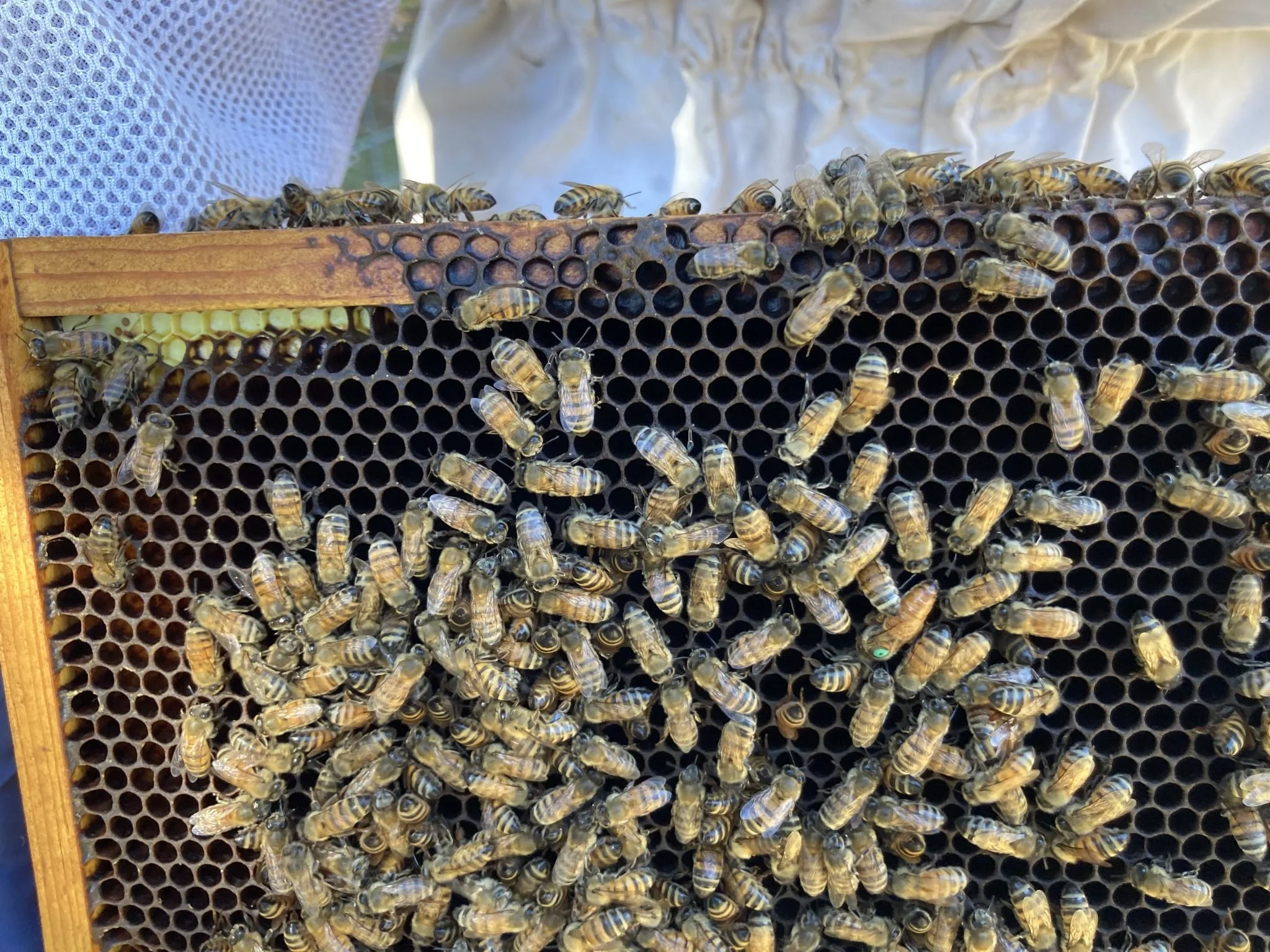
Community Science →
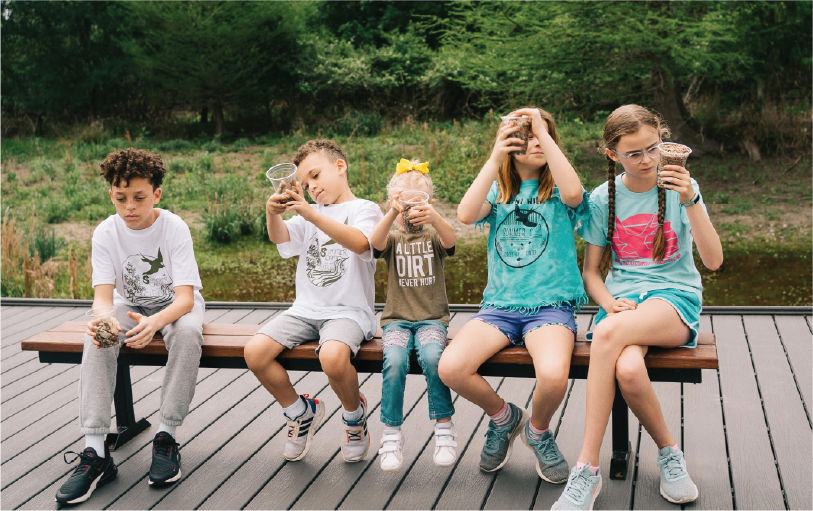
From butterflies to water quality, discover the science shaping stewardship at The Cibolo.
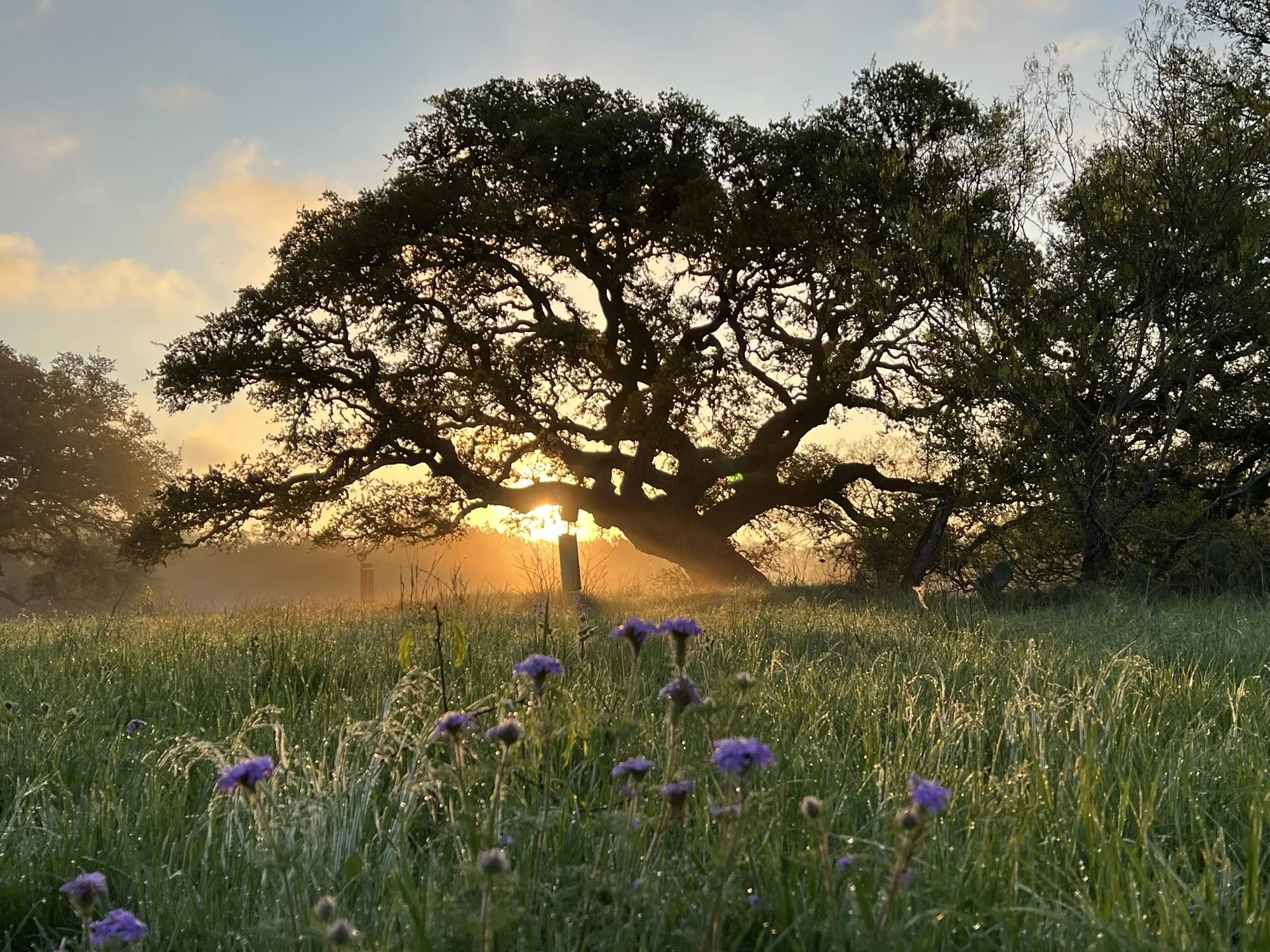
Academic Research →
Developing the next generation of conservation scientists through field-based research.
Resources→
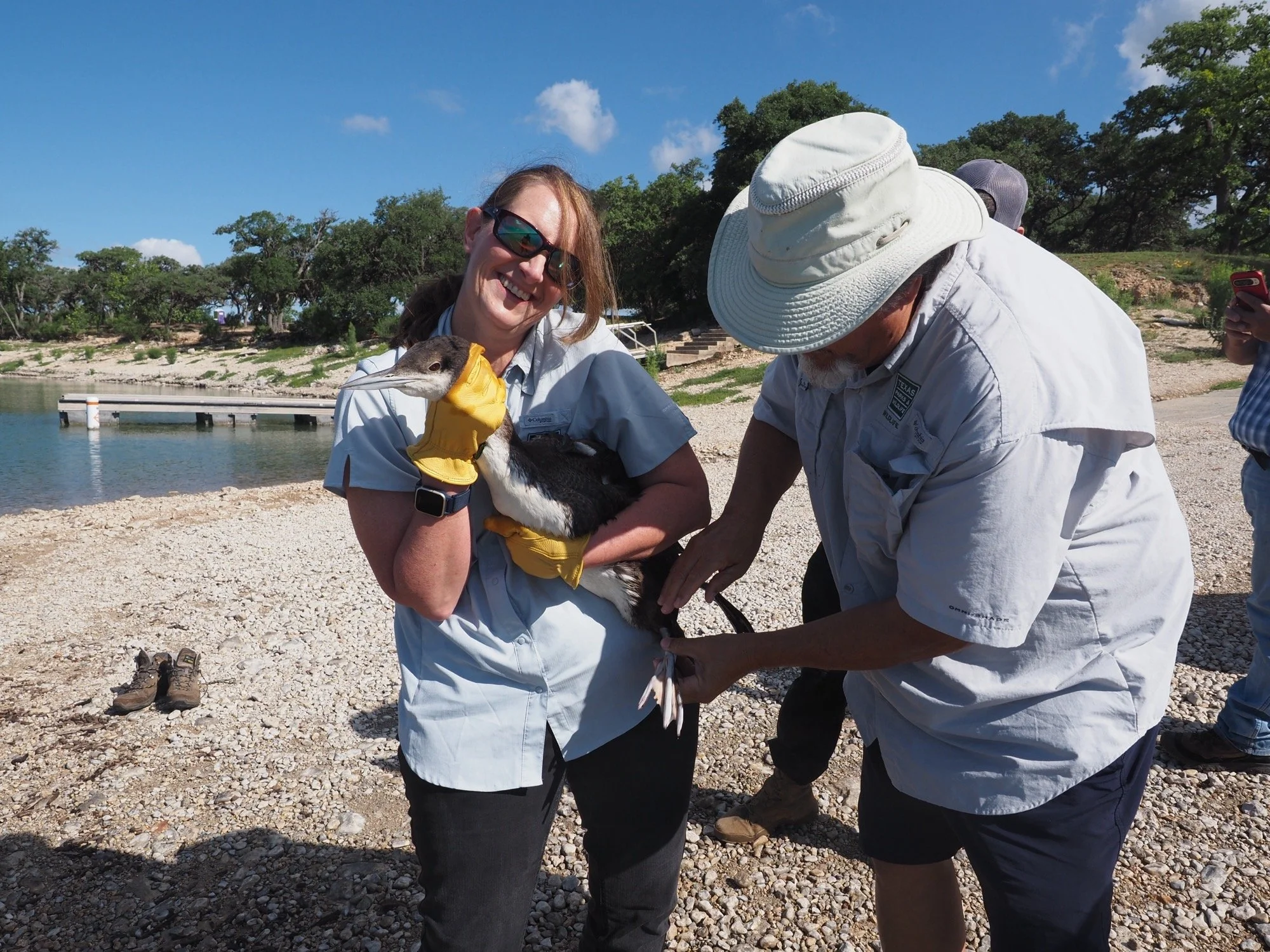
A set of tools and organizations that support community science, species identification, ecological research, and watershed awareness.
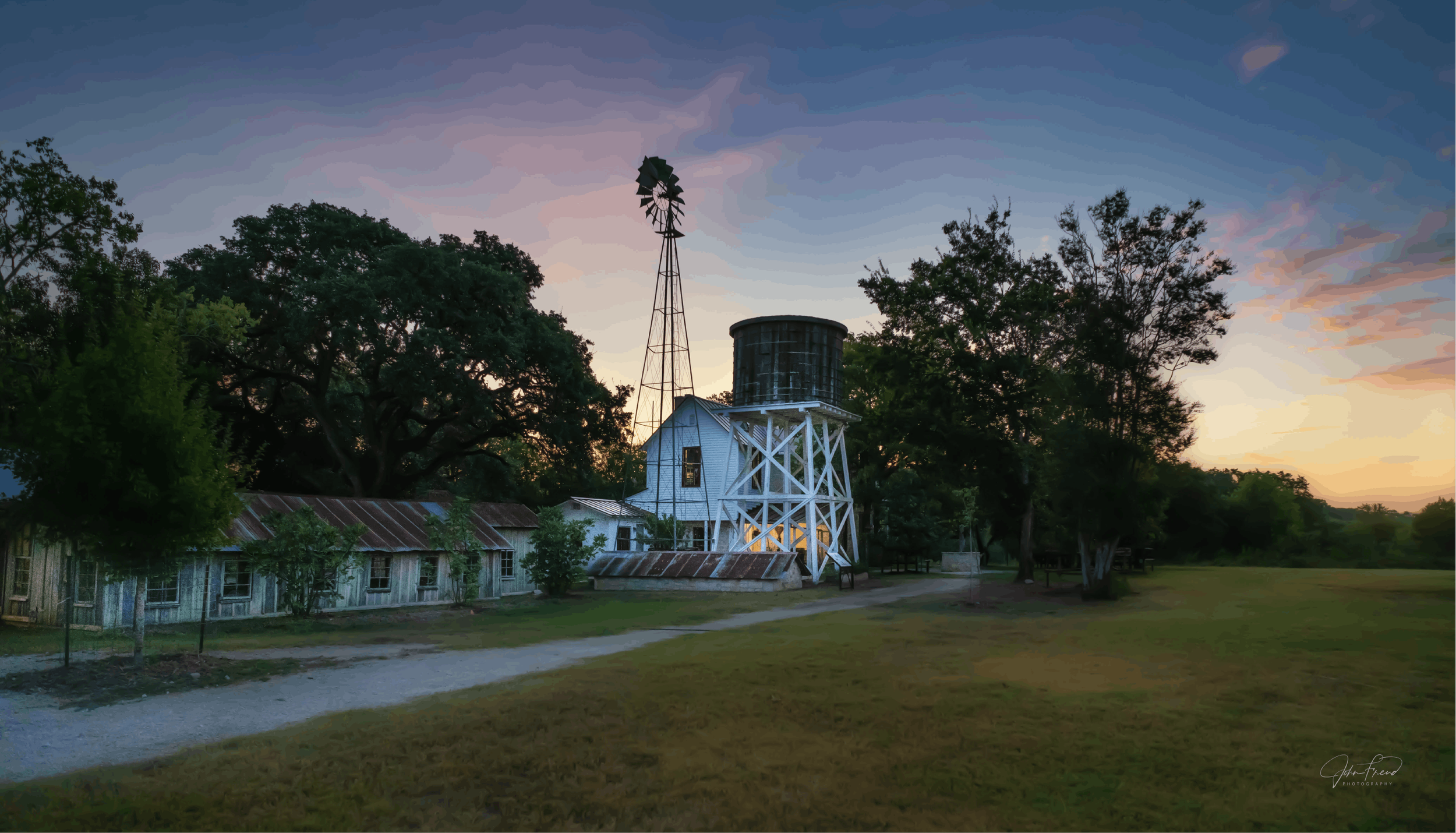
Conservation Updates→
Stay up to date with what’s happening in the conservation department at The Cibolo.
Looking Back, Moving Forward
welcoming insight, guidance, and perspective.
Our partnership with the Hill Country Archeological Association marks a meaningful expansion of conservation at The Cibolo, opening a new door into the human story of this landscape. With a field lab taking shape at Sisterdale Sanctuary, this collaboration brings focused archeological survey work to our properties and the surrounding region. Together, we are beginning to look more closely at the layers of history held in the soil, from recent past to deep time, and to better understand how people have moved through, lived with, and shaped this place over thousands of years.
This work invites a broader and more complete view of stewardship, one that recognizes the enduring presence and knowledge of Indigenous peoples connected to this land long before it was named or managed as it is today. As we move forward, we do so with care and humility, and with an openness to listen. We recognize that this story is not ours alone to tell, and we welcome insight, guidance, and perspectives from those with cultural and ancestral ties to this landscape. In doing so, we hope to build a more honest, inclusive understanding of a place that can inform how we care for it now and into the future.
Community Science
Collecting crucial data on land, water and wildlife.
The Cibolo is advancing conservation through a comprehensive Community Science program that gathers long-term data on land, water, and wildlife. What began as focused monitoring along the Cibolo has grown into a multi-property research effort that informs on-the-ground stewardship while contributing to state, national, and international scientific databases. Working in partnership with professional scientists, biologists, and conservation organizations, the program bridges rigorous data collection with community participation, creating a steady stream of information that guides how the land is cared for over time.
Community members play a central role in this work. Volunteers join staff and partners to document ecological change across the 166-acre campus and throughout the greater Cibolo Conservation Corridor. From tracking migratory birds and monarch larvae to assessing amphibian populations and sampling aquatic macroinvertebrates, participants contribute to a growing body of knowledge while building practical field skills. Training and mentorship are embedded throughout the program, with opportunities ranging from introductory workshops to hands-on field learning alongside experienced team leaders. Participants include Master Naturalists, students, families, and first-time volunteers, each helping to strengthen a community of stewardship grounded in observation and scientific practice.
wildlife field research week
A cornerstone of this effort is Wildlife Field Research Week, a seasonal bioblitz held each spring and fall that brings the full scope of Community Science into focus. Over the course of a week, volunteers and experts work side-by-side to document plants, animals, and ecosystem conditions across the Cibolo Nature Center and Herff Farm. This concentrated period of fieldwork allows participants to engage deeply with the landscape while generating a snapshot of biodiversity and habitat health that complements year-round monitoring efforts.
During Field Research Week, participants step into a range of field-based surveys that explore different ecosystems from multiple angles. Some teams head out to Wrede Marsh after dusk to listen for amphibian calls, while others move along the creek sampling aquatic life as indicators of water quality. Across the prairie and woodlands, volunteers document butterflies, plants, and small mammals, or help track reptiles moving through the landscape. Others contribute by photographing species and recording observations for shared databases, creating a collective snapshot of biodiversity across habitats. Whether working with a field team or contributing individual observations, participants engage directly in the process of documenting and understanding the land. To learn more about specific surveys and how to get involved, contact our team to find the entry point that best suits you.
The data collected through these efforts does more than catalogue species. It directly informs habitat restoration, invasive species management, watershed protection, and long-term land stewardship at The Cibolo and beyond. Because many species move across regions and even continents, locally gathered data contributes to research at a much larger scale. Observations are shared through platforms such as Cornell’s NestWatch, the Monarch Joint Venture, iNaturalist, and other scientific databases, ensuring that community-collected data supports broader conservation work.
This work extends beyond the boundaries of the Nature Center through close partnership with the Cibolo Preserve, a neighboring protected habitat along Cibolo Creek. Together, these connected landscapes allow for more comprehensive monitoring and stronger conservation outcomes. At its core, Community Science at The Cibolo is about building a lasting relationship between people and place, where careful observation, shared knowledge, and consistent stewardship come together to shape the future of the land.

Academic Research
Generating knowledge to inform action.
The Cibolo Center for Conservation is building an academic research program grounded in the landscapes we steward. Through partnerships with institutions including Trinity University and the University of the Incarnate Word, we are developing a research internship program that serves as a platform for applied conservation research and student training.
Led by our Research Scientist, this program will create a clear pathway from academic inquiry to land management and into conservation careers, both in academia and beyond. Our properties function as a living laboratory where research questions are shaped by the real natural resource issues facing our region's communities. These resource issues provide an opportunity for undergraduates to hone their research acumen while simultaneously producing land management insights relevant to Central Texans. From species monitoring and habitat assessments to watershed dynamics and riparian restoration, our investigations are grounded in the day-to-day work of stewarding this land. Rather than abstracting research from reality, we work to integrate the two.
The program is in its early stages, with a pilot semester set to launch soon in collaboration with university partners. It is designed as a training pathway for undergraduates pursuing research careers and applied conservation work, providing opportunities for both aspirational academic researchers and field-based conservation practitioners. Over time, this work will support research that is academically rigorous and locally relevant, with a clear trajectory toward peer-reviewed publication.
This effort reflects a broader shift in how The Cibolo approaches education and conservation. We are focusing our role on interpreting the land through research to generate knowledge that can inform management decisions across the region. By our 40th anniversary in 2028, we aim to serve as a regional hub for applied, place-based research that connects students, faculty, and conservation practitioners.
Resources
tools to help you engage with nature on your own.
The Cibolo’s conservation work is part of a larger network of research, education, and environmental stewardship. This page highlights a set of tools and organizations that support community science, species identification, ecological research, and watershed awareness.
Whether you’re trying to identify a bird on the trail, track biodiversity over time, or better understand soils and water in our region, these resources offer practical ways to stay engaged and informed.
If you’re just getting started, tools like Seek and Merlin are easy entry points. If you’re digging into research, planning, or long-term monitoring, platforms like iNaturalist, USGS data, and soil surveys start to open things up in a different way.
We’ll continue adding to this page over time. Check back in or reach out if there’s something you think belongs here.
Some are simple, everyday tools you can use on a walk. Others are better suited for deeper research or planning. Start where you are and follow what pulls your interest.
Identify Plants & Wildlife
Seek by iNaturalist A simple, real-time ID app for plants, animals, and fungi. Point your camera and get an answer.Good place to start if you’re new or just curious.
Merlin Bird IDOne of the easiest ways to identify birds — by sound, photo, or a few quick questions.Especially useful around the Cibolo where bird activity shifts seasonally.
eBird A platform for logging bird sightings and exploring what others are seeing nearby.Widely used by both casual birders and researchers.
Record & Work With Data
iNaturalist Record observations of plants and wildlife, get help with identifications, and contribute to a global biodiversity dataset. A core tool for community science at The Cibolo.
iNaturalist Data Export Download observation data for mapping, analysis, or research projects. More useful once you’ve spent some time collecting or exploring data.
Soils, Geology & Land
USDA Web Soil Survey The most complete source for official soil maps and data. Best for planning, land management decisions, or detailed understanding of a site.
SoilWeb A faster, more mobile-friendly way to check soils in the field. Good for quick context while you’re out on the land.
Rockd An easy way to explore local geology and landscape history. Useful if you want to understand what’s under your feet and how it formed.
Water & Watersheds
USGS – Cibolo Creek near Boerne Real-time and historical streamflow data for Cibolo Creek.A quick way to check whether the creek is running and how conditions are changing.
USGS National Water Dashboard An interactive map showing streamflow, rainfall, and water conditions across the country.Helpful for seeing the bigger picture beyond a single site.
Cow Creek Groundwater Conservation District Local groundwater information, well data, and aquifer resources for Kendall County.Useful for landowners and anyone interested in how water moves below ground.
What’s New?
The latest and greatest conservation news and happenings at The Cibolo.














Contribute to The Cibolo
Without your support, we could not achieve these amazing conservation and education efforts in our local community. You can help us make a lasting impact today.